Navigating Deposit Choices and Their Effect on Live Dealer Roulette Sessions Paired with ATP Tennis Forecast Adjustments
Logan Schwarz · Oct 21, 2026
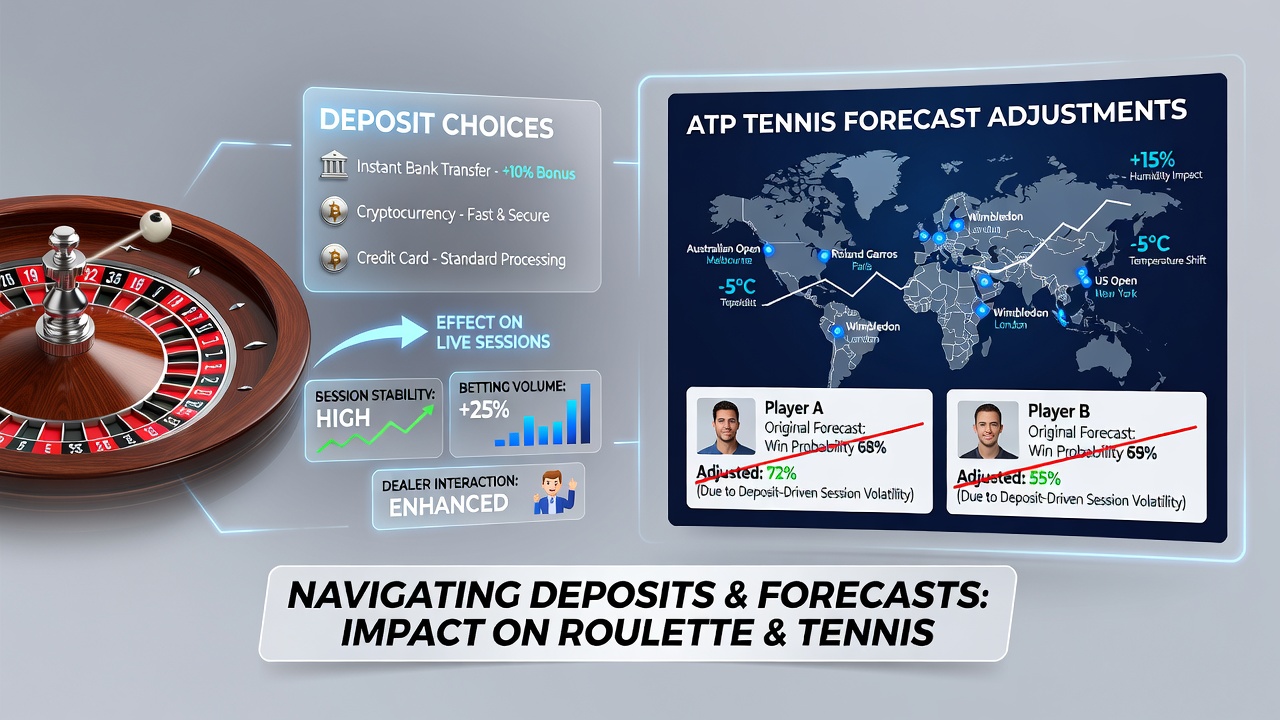
Navigating Deposit Choices and Their Effect on Live Dealer Roulette Sessions Paired with ATP Tennis Forecast Adjustments
Deposit methods shape how players fund and sustain live dealer roulette sessions while platforms simultaneously refine ATP tennis forecasts based on real-time player data, and observers note that choices like credit cards, e-wallets, and bank transfers carry distinct processing speeds along with fee structures that directly influence session length and wager sizing in roulette environments. Research from regulatory bodies shows that instant deposits through digital wallets often reduce downtime between spins compared to traditional bank transfers which may take one to three business days for clearance, and this timing gap matters because roulette tables in live dealer formats operate continuously with minimum bet requirements that reward uninterrupted play. Data indicates that players selecting methods with lower transaction costs tend to maintain larger bankrolls across extended sessions since fees eat into available capital at slower rates, whereas high-fee options can compress the number of rounds completed before a player pauses or exits.
Deposit Pathways and Roulette Session Dynamics
Payment providers integrate with casino platforms in ways that affect roulette specifically, since live dealer games demand quick top-ups when streaks shift momentum or when players decide to chase particular table limits, and analysts have tracked how credit card deposits allow immediate access to bonus funds in some cases whereas cryptocurrency options provide privacy advantages yet introduce volatility in conversion rates. Studies reveal that e-wallet users complete more consecutive spins on average because withdrawals happen faster too, which encourages repeated deposits during active sessions, while those relying on wire transfers often plan fewer but larger funding events that alter bet progression strategies. Platforms adjust internal risk models accordingly, and evidence suggests deposit limits tied to verification levels further constrain or expand roulette participation depending on the chosen method.
Linking Funding to Forecast Refinements in ATP Tennis
ATP tennis forecast adjustments incorporate updated performance metrics from ongoing tournaments, and deposit choices intersect here because bettors who maintain fluid casino accounts often transfer winnings or additional capital toward tennis markets when forecasts shift due to injury reports or surface adaptations. As of October 2026, data from major circuits shows that players with reliable instant deposit options participate more actively in both roulette and tennis wager adjustments since capital movement between game types stays seamless, whereas slower methods create delays that force bettors to lock in forecasts earlier than optimal. Researchers have documented correlations where deposit speed influences how quickly users respond to ATP updates such as ranking changes or head-to-head revisions, and this pairing creates observable patterns in platform activity logs.

One analysis of multi-product betting environments found that users who alternate between live dealer roulette and ATP markets adjust their deposit frequency based on forecast reliability scores released by statistical services, and this behavior leads to clustered funding events around major tournaments like those scheduled in late 2026. Transaction records indicate that methods supporting recurring payments reduce friction when forecasts evolve rapidly, allowing bettors to scale positions without interrupting roulette momentum at the same time. Observers note regional variations where European payment schemes emphasize consumer protections that cap deposit amounts, which in turn moderates both roulette session depth and tennis wager sizes tied to forecast confidence levels.
Regulatory Influences Across Regions
Government agencies in different jurisdictions track these intersections through aggregated transaction data, and figures from the Australian Gambling Research Centre highlight how payment method regulations alter participation rates in combined casino and sports products. Similarly, reports compiled by the American Gaming Association show measurable differences in session metrics when deposit options face varying compliance requirements, with effects carrying over into forecast-driven tennis betting adjustments. These patterns emerge because verification processes tied to certain deposit types delay access, which compresses available time for reacting to ATP updates during active roulette play.
Conclusion
Deposit choices therefore function as operational variables that interact with both live dealer roulette mechanics and ATP tennis forecast refinements, and comprehensive tracking across platforms demonstrates consistent linkages between funding speed, session duration, and wager responsiveness. Data accumulated through 2026 continues to map these relationships without establishing causation, yet the observable connections guide how operators structure payment integrations and statistical tools for users navigating both game categories simultaneously.