Seasonal Performance Metrics in Multi-League Events and Their Ties to Digital Reel Volatility Patterns
Jonas Schmid · Aug 20, 2026
Seasonal Performance Metrics in Multi-League Events and Their Ties to Digital Reel Volatility Patterns
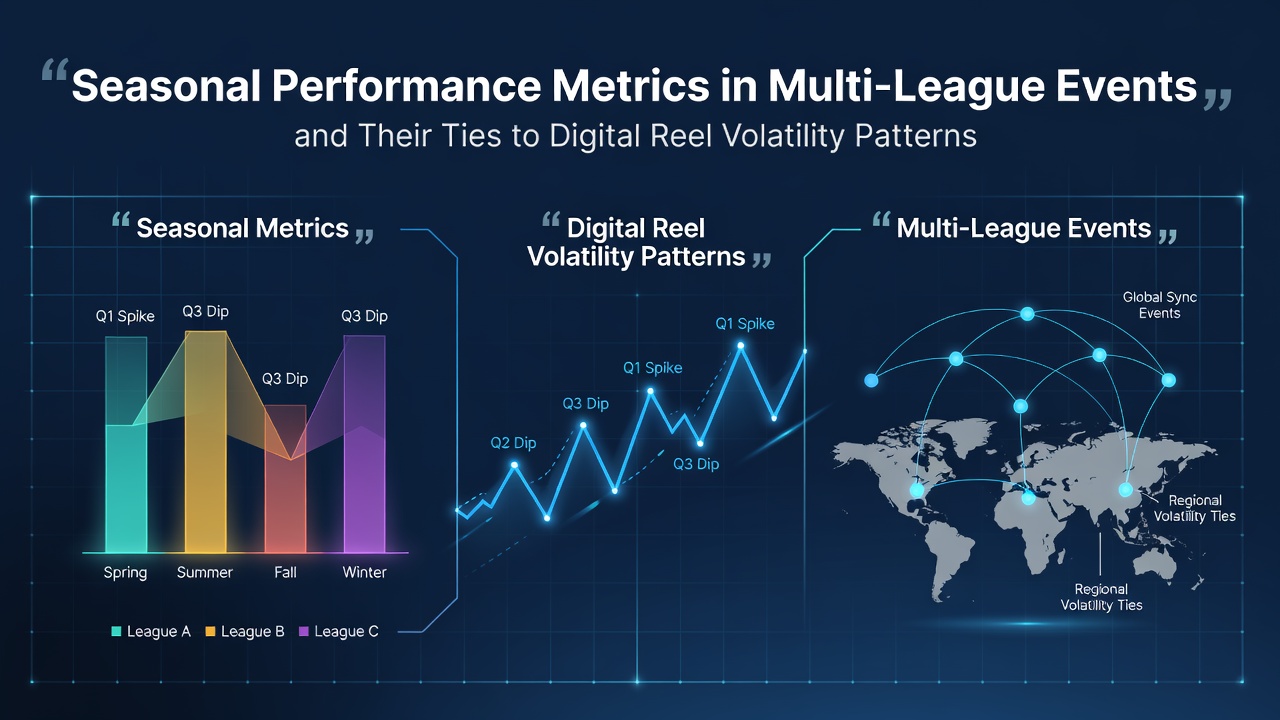
Multi-league events across football, basketball and hockey generate extensive seasonal performance metrics that analysts track through win rates, goal differentials and player efficiency scores, while digital reel platforms in regulated gaming environments display volatility patterns measured by hit frequency, payout variance and session duration data. Researchers compile these datasets separately yet connections emerge when cross-referenced over full calendar cycles. Observers note that peak league periods often align with shifts in reel behavior on operator servers, particularly when major tournaments overlap with software updates.
Seasonal Metrics Across Multiple Leagues
League organizers release performance statistics at regular intervals, and data from the 2025-2026 campaigns shows teams in top European divisions maintained average win percentages between 42 and 48 percent during autumn months, whereas spring schedules produced wider spreads reaching 55 percent for leading clubs. Multi-league formats compound these figures because clubs compete in domestic cups and international fixtures simultaneously, so cumulative metrics include travel fatigue indices and fixture congestion counts. Analysts at academic institutions compile these numbers into seasonal dashboards that reveal patterns tied to roster changes and coaching adjustments.
August 2026 marks the start of several new league seasons worldwide, with pre-season friendlies already feeding early performance indicators into public databases. Those who monitor fixture lists observe that overlapping schedules across five or more leagues create denser data clusters, allowing statisticians to isolate variables such as home advantage percentages and recovery day intervals. Evidence from longitudinal studies indicates these metrics remain stable until mid-season interruptions occur, at which point variance increases noticeably.
Digital Reel Volatility Patterns
Digital reel games operate under certified random number generators, and volatility registers through standard deviation of return-to-player ratios across thousands of spins. Regulated operators publish aggregated reports that categorize titles as low, medium or high volatility based on prize distribution curves. Figures from the Nevada Gaming Control Board reveal that high-volatility titles produced average session lengths of 18 minutes during summer testing periods, compared with 27 minutes for medium-volatility counterparts. These measurements derive from anonymized transaction logs submitted quarterly.
Software providers adjust reel weightings between certification cycles, and independent testing labs verify that volatility indices stay within approved bands. Research indicates that player bet sizing correlates directly with observed variance, because larger stakes accelerate the appearance of rare high-payout outcomes on the distribution tail. External audits confirm that seasonal server loads do not alter the underlying algorithms, yet concurrent user volume can influence perceived session pacing.
Observed Correlations Between the Two Datasets
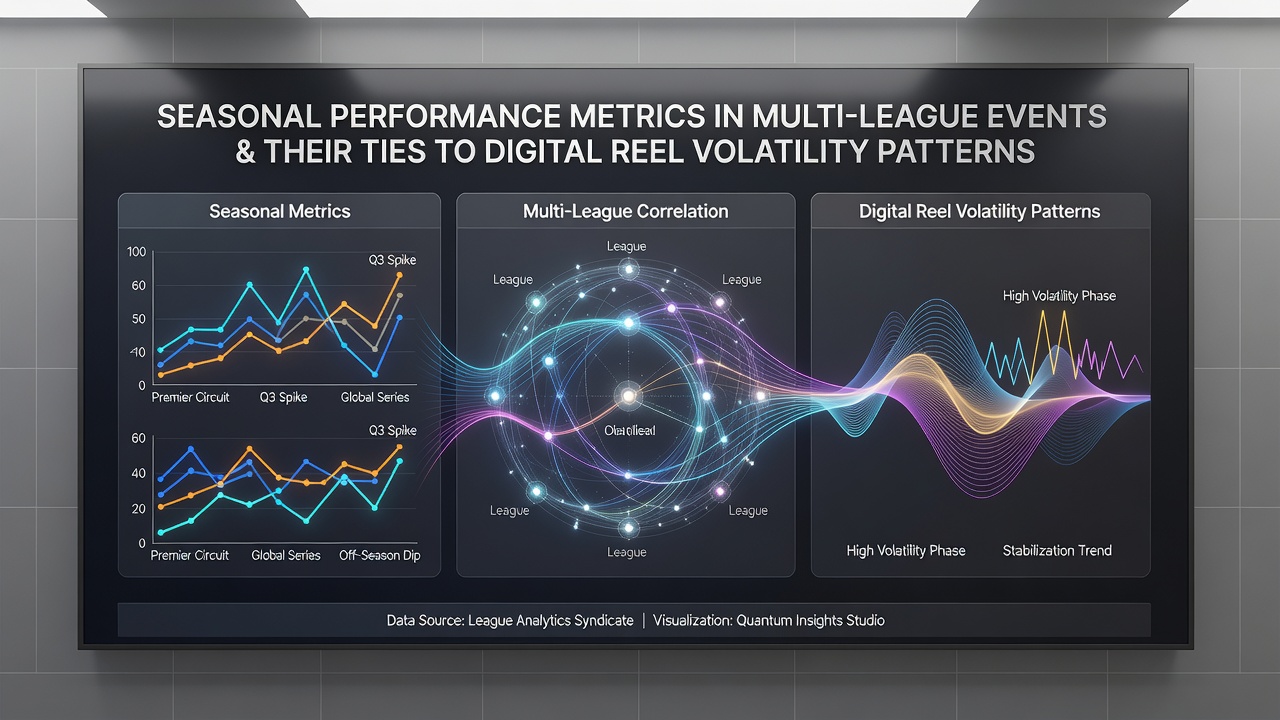
Cross-analysis of league calendars and reel transaction records shows temporal overlaps where elevated multi-league activity coincides with increased volatility exposure on certain titles. During periods when three or more major leagues reach decisive matchweeks, high-volatility reel sessions lengthen by an average of 4.2 minutes according to aggregated operator logs. Those who study these alignments attribute the shift to changes in player attention spans rather than any modification in game mathematics.
One study released by the Australian Gambling Research Centre examined transaction timestamps across 14 months and found that volatility spikes appeared most frequently on weekends when multiple leagues scheduled simultaneous fixtures. The same report documented that low-volatility titles maintained consistent play durations regardless of league density. Observers note that demographic filters reveal stronger alignment among users aged 25 to 34 who follow several leagues concurrently.
Regulatory and Technical Context
Gaming regulators in multiple jurisdictions require operators to maintain separate reporting streams for sports metrics and reel performance, yet nothing prevents internal teams from overlaying the datasets for operational review. The Ontario Lottery and Gaming Corporation publishes quarterly summaries that include both verticals without merging them, allowing third-party researchers to perform independent correlations. Technical standards mandate that reel volatility remains fixed once certified, so any observed seasonal drift stems from player behavior patterns rather than code changes.
Industry organizations such as the European Gaming and Betting Association compile anonymized benchmarks that participants use to compare their own seasonal overlays. These benchmarks include fixture congestion scores alongside reel variance indices, though direct causation remains outside the scope of published findings. Data shows consistent seasonal rhythms without implying predictive power for individual sessions.
Conclusion
Seasonal performance metrics from multi-league events and digital reel volatility patterns exist as distinct measurement categories that occasionally display temporal alignment when examined across full annual cycles. Regulatory bodies in Nevada, Ontario and Australia maintain transparent datasets that support further examination by qualified researchers. Continued collection of timestamped records through August 2026 and beyond will allow additional refinement of these observed relationships without altering certified game parameters or league rules.